








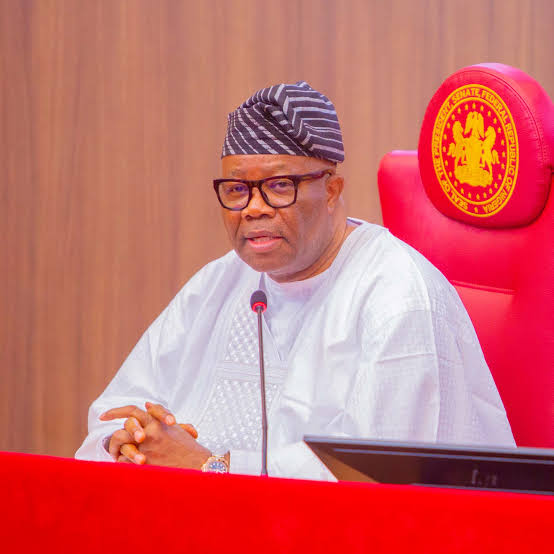
the senate has passed a proposed suicide prevention bill for second reading, seeking to replace criminal penalties for attempted suicide with medical assessment, treatment and rehabilitation, despite senate president godswill akpabio’s objections.
The Nigerian Senate has advanced a bill seeking to decriminalise attempted suicide and establish a national framework for suicide prevention, treatment and rehabilitation for survivors.
The proposed legislation, sponsored by Senator Asuquo Ekpenyong, representing Cross River South, aims to shift Nigeria’s response to attempted suicide from criminal prosecution to a public health approach focused on medical care and psychological support.

The bill passed its second reading despite opposition from Senate President Godswill Akpabio, who argued that attempted suicide should remain a criminal offence.
Ekpenyong Calls for a Health-Based Approach to Suicide Prevention
Leading the debate on the bill, Ekpenyong highlighted what he described as a conflict between Nigeria’s existing criminal laws and its mental health framework.
He noted that while the National Mental Health Act recognises attempted suicide as a psychiatric emergency requiring medical attention, provisions in the Criminal Code and Penal Code continue to criminalise the act.

The senator questioned whether prosecution should be the government’s first response when a person survives a suicide attempt, arguing that such individuals should receive protection and appropriate care.
Ekpenyong warned that criminalising attempted suicide could discourage people experiencing severe emotional distress from seeking medical assistance. He also argued that fear of prosecution might lead families to conceal suicide attempts, making it more difficult to collect reliable data and develop effective prevention policies.
However, he stressed that removing criminal penalties would not be sufficient on its own. According to him, decriminalisation must be accompanied by accessible mental health services and comprehensive support for people experiencing psychological distress.
Proposed Bill Provides for Treatment and Rehabilitation
Under the proposed legislation, people who survive suicide attempts would undergo medical assessment and be referred for appropriate treatment instead of facing imprisonment.
The bill also outlines several measures intended to strengthen suicide prevention across the country, including:
- Crisis helplines for people experiencing emotional distress.
- Training for police officers, teachers and healthcare workers on responding to suicide-related emergencies.
- Public awareness and education programmes.
- Medical assessment, referral and follow-up care for survivors.
- A national data collection system to support suicide prevention planning and policy development.
The proposed measures are intended to improve early intervention, strengthen access to care and help authorities develop more effective responses to suicide-related emergencies.
Akpabio Opposes Decriminalisation
Despite the bill’s progress, Akpabio expressed strong reservations about removing criminal penalties for attempted suicide.
During the Senate debate, the Senate President argued that decriminalisation could encourage suicide attempts, although the proposal’s sponsor maintained that criminal punishment could prevent distressed individuals from seeking help.
Akpabio stated: “If you attempt suicide, make sure you die. Anyone who attempts and fails will go to jail.”
His remarks reflected his opposition to the proposed change in the law.
The Senate President also raised concerns about the legal implications of the reform, pointing to the relevant provisions in the Criminal Code and Penal Code.
He called for State Houses of Assembly to participate in the public hearing process, arguing that their involvement would help address potential conflicts between federal and state legislation.
Bill Referred to Senate Committees for Further Consideration
Although Akpabio opposed the decriminalisation proposal, the bill received sufficient support to pass its second reading in the Senate.
Following the vote, the legislation was referred to the Senate Committees on Judiciary and Health for further examination.
The committees are expected to organise a public hearing, consider the legal and public health implications of the proposed changes, and receive submissions from relevant stakeholders.
Their findings and recommendations will subsequently be presented to the Senate for further legislative consideration.
The bill’s passage at second reading marks another stage in the legislative process. Further consideration will be required before any proposed changes become law.


